GLP-1 Medications: Clinical Efficacy & Comparison
GLP-1 Medications (Glucagon-Like Peptide-1 Receptor Agonists) represent a landmark advancement in modern endocrinology and cardiometabolic care. Designed to mimic natural incretin gut hormones, these agents deliver profound regulation over blood glucose levels, central appetite centers, and gastric emptying dynamics.
Whether utilized for type 2 diabetes management or chronic weight control, understanding how GLP-1 receptor agonists compare—such as single GLP-1 agonists versus dual GIP/GLP-1 co-agonists—is vital for optimizing clinical outcomes.
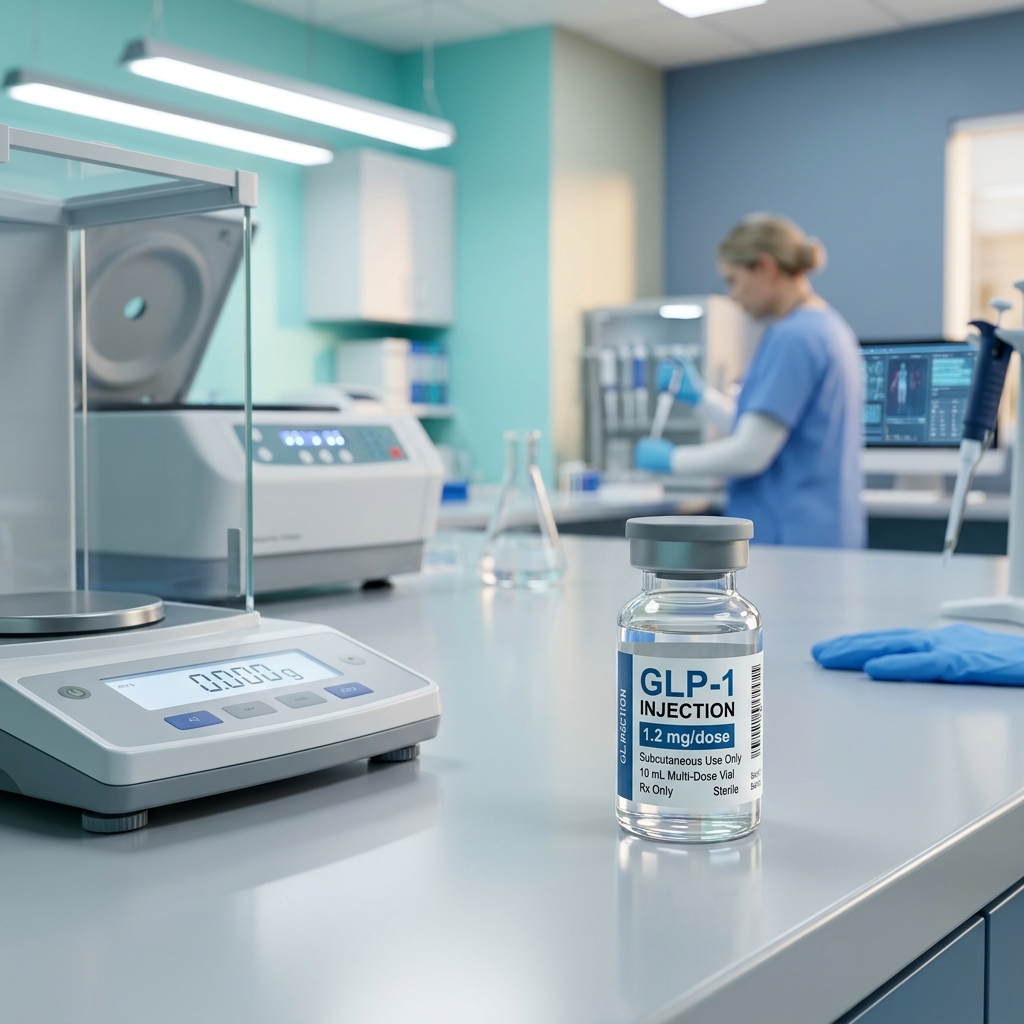
Featured GLP-1 Medications Clinical Lab Formulation
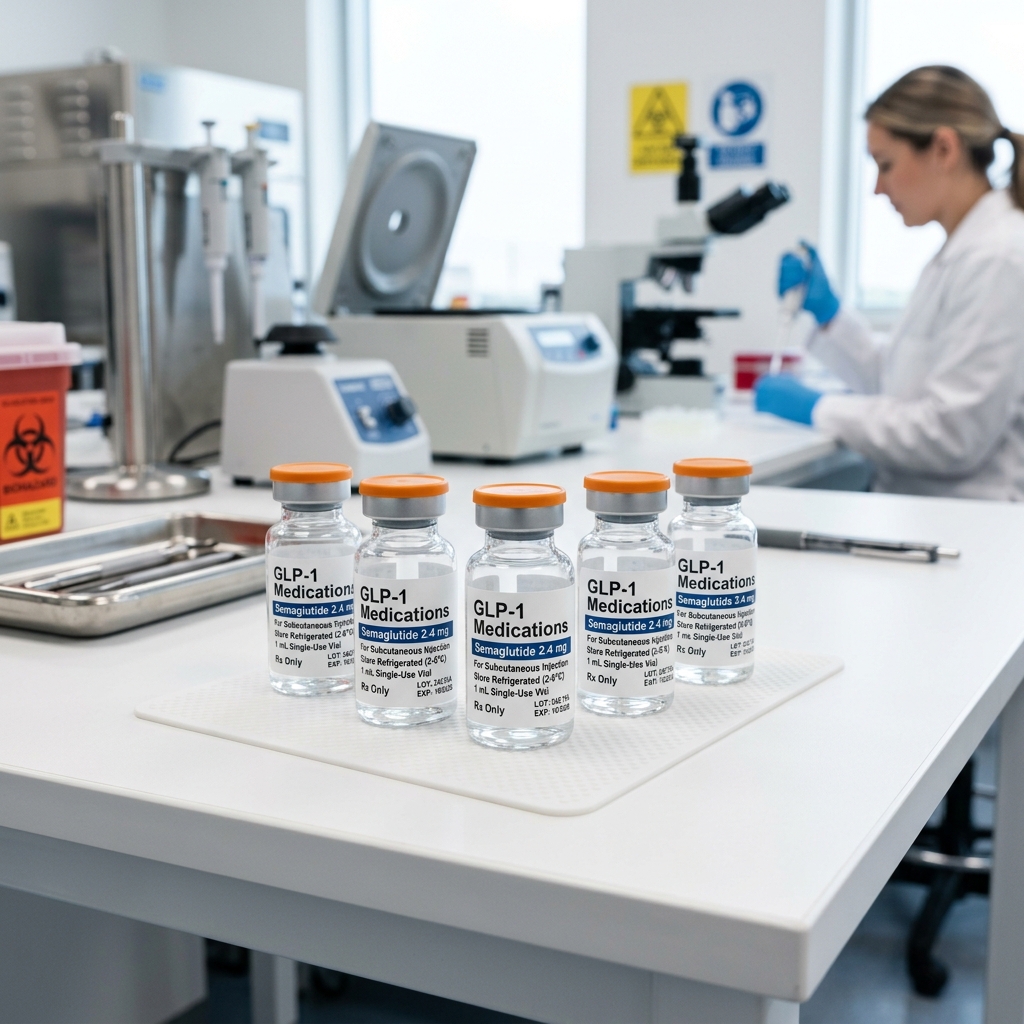
GLP-1 Medications Pharmaceutical Vials
GLP-1 Medications Comparison Chart
Direct comparison of top FDA-approved and clinically prescribed GLP-1 medications, active ingredients, primary indications, and trial efficacy.
| Brand Name | Active Ingredient | Target Receptors | FDA Indication | Administration | Avg Weight Loss |
|---|---|---|---|---|---|
| Zepbound® | Tirzepatide | Dual GIP / GLP-1 | Chronic Weight Management | Once-Weekly Subcutaneous | ~20.9% - 22.5% |
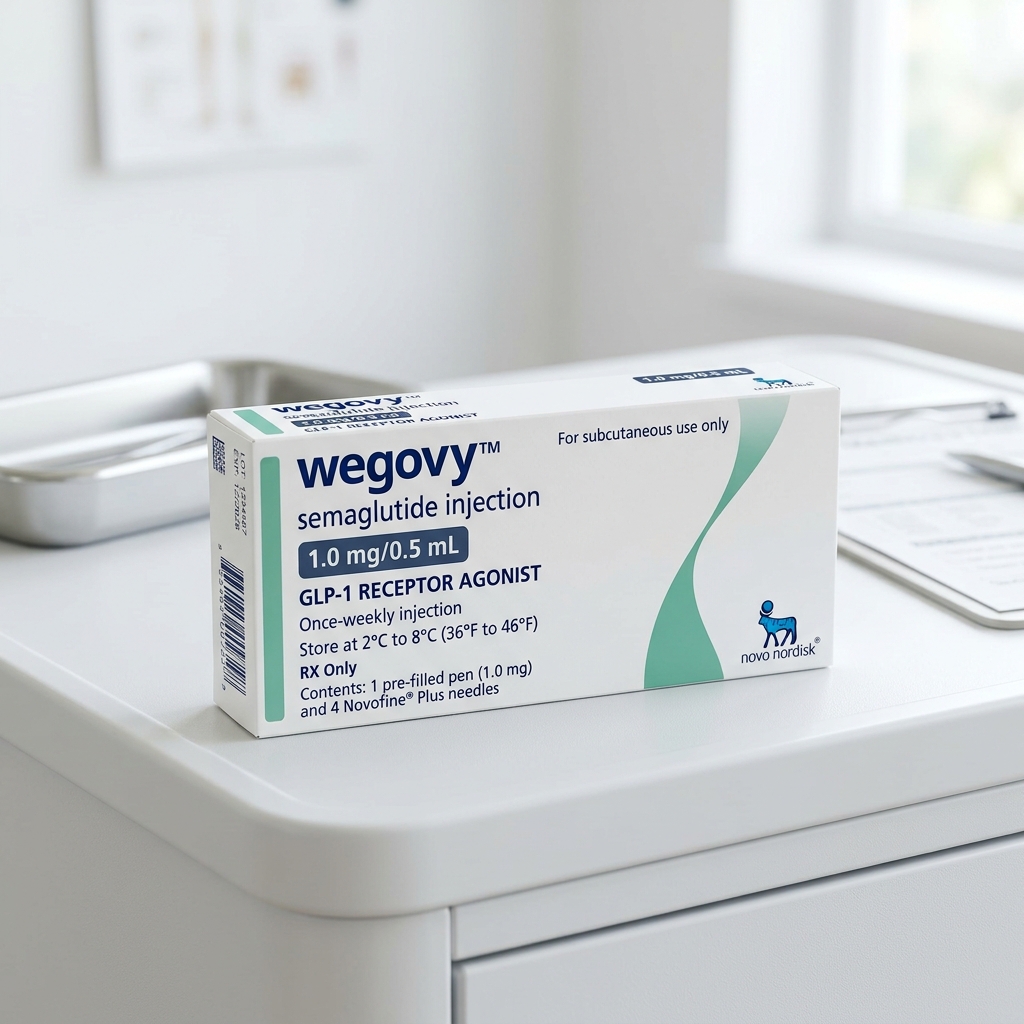
| Wegovy® | Semaglutide | Selective GLP-1 | Chronic Weight Management | Once-Weekly Subcutaneous | ~14.9% - 17.9% |
| Mounjaro® | Tirzepatide | Dual GIP / GLP-1 | Type 2 Diabetes (Off-label weight) | Once-Weekly Subcutaneous | ~15.7% - 21.0% |
| Ozempic® | Semaglutide | Selective GLP-1 | Type 2 Diabetes (Off-label weight) | Once-Weekly Subcutaneous | ~12.0% - 15.0% |
| Saxenda® | Liraglutide | Selective GLP-1 | Chronic Weight Management | Once-Daily Subcutaneous | ~8.0% - 9.2% |
| Rybelsus® | Semaglutide | Selective GLP-1 | Type 2 Diabetes | Once-Daily Oral Tablet | ~5.0% - 8.0% |
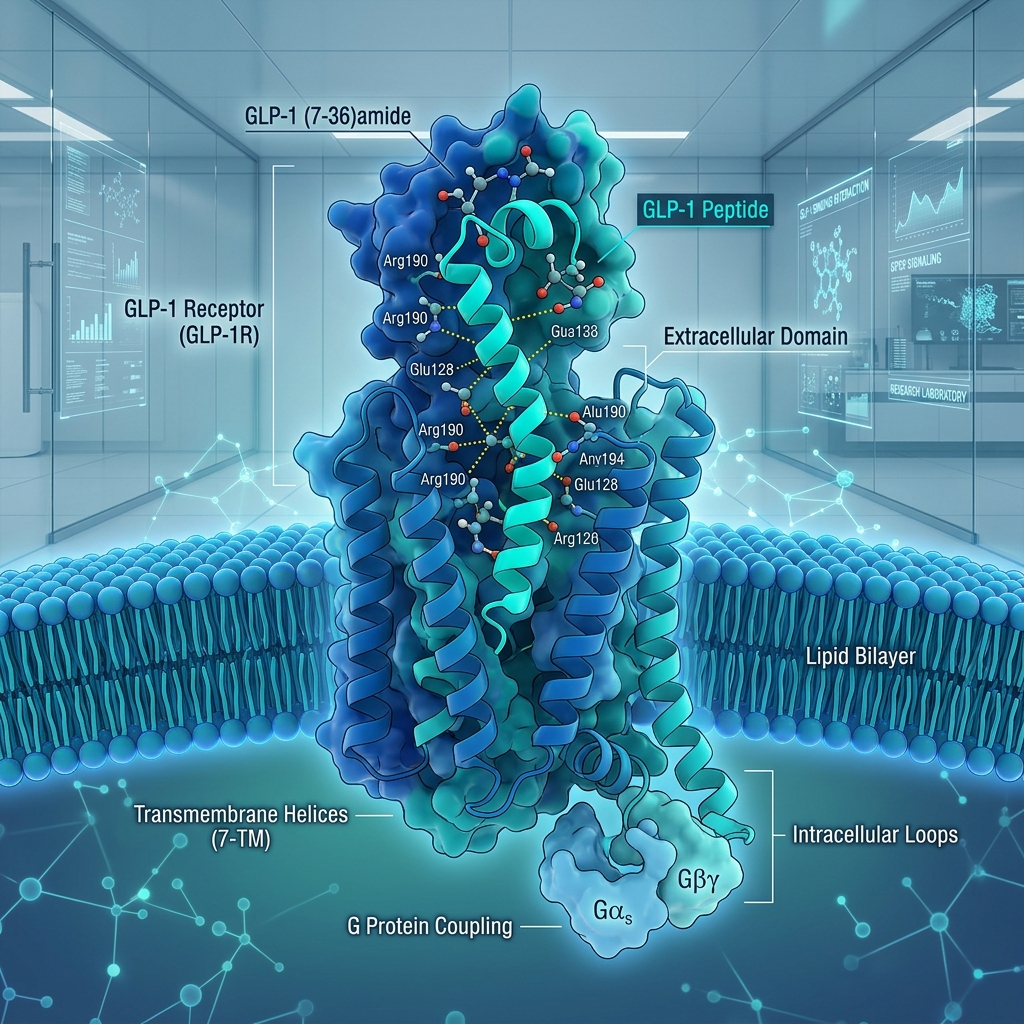
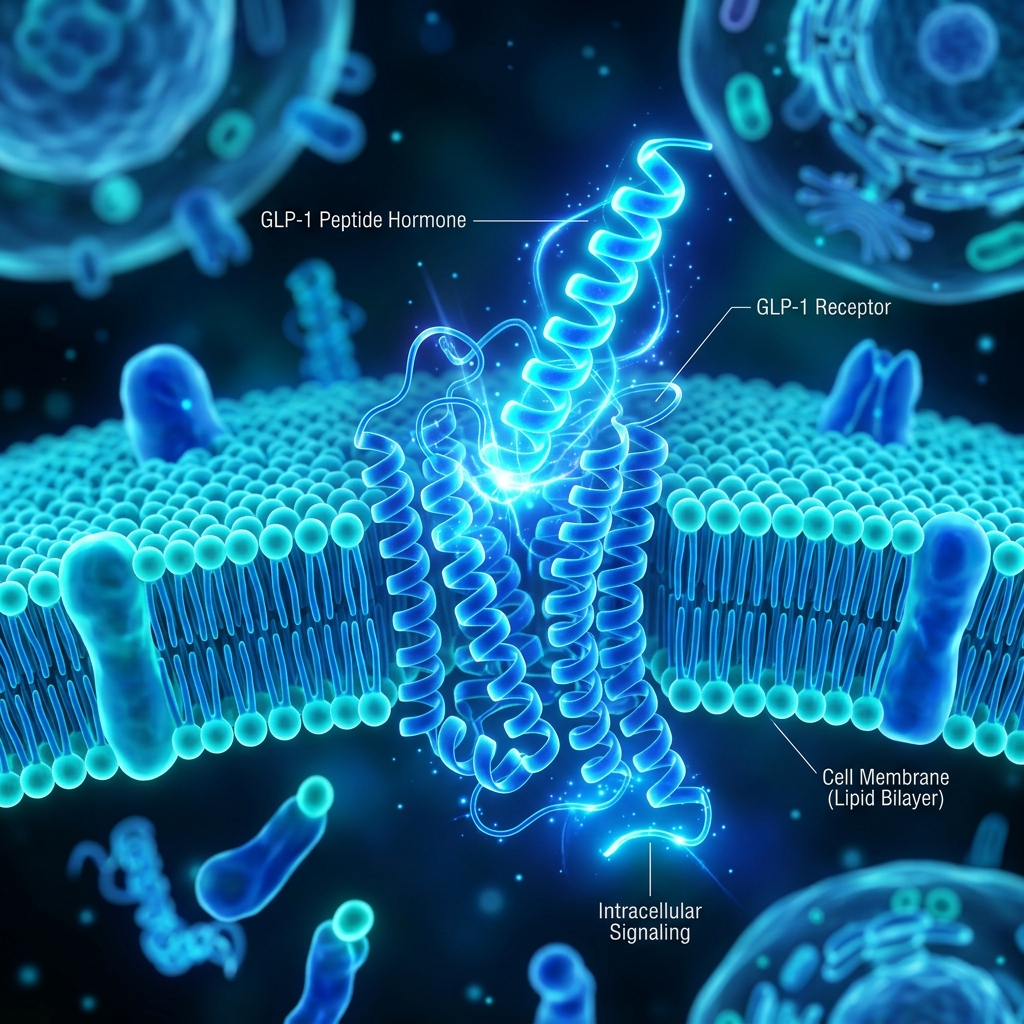
How Do GLP-1 Medications Function in the Body?
Natural GLP-1 (Glucagon-Like Peptide-1) is a physiological incretin peptide secreted by intestinal L-cells in response to nutrient ingestion. Synthetic GLP-1 Medications resist enzymatic degradation by DPP-4, providing extended receptor activation across key target organs:
Appetite Suppression & Satiety
Binds to receptors in the hypothalamus and brainstem, signaling fullness and blunting food cravings.
Delayed Gastric Emptying
Slows stomach transit time, extending postprandial fullness and blunting post-meal blood sugar spikes.
Glucose-Dependent Insulin Secretion
Enhances pancreatic beta-cell insulin release when blood sugar rises while suppressing excess glucagon output.
Clinical Efficacy & Weight Loss Outcomes
Data benchmarked across landmark clinical trials including SURMOUNT-1, STEP-1, and SCALE.


GLP-1 Medications Dosing & Titration Protocols
Gradual step-wise dose escalation is essential to mitigate gastrointestinal side effects while achieving maintenance therapeutic levels.
Tirzepatide Titration Schedule
Weekly Injections- Weeks 1 – 4 (Starting Dose) 2.5 mg / week
- Weeks 5 – 8 5.0 mg / week
- Weeks 9 – 12 7.5 mg / week
- Weeks 13 – 16 10.0 mg / week
- Weeks 17+ (Maintenance Doses) 12.5 mg – 15.0 mg / week
Semaglutide Titration Schedule
Weekly Injections- Weeks 1 – 4 (Starting Dose) 0.25 mg / week
- Weeks 5 – 8 0.50 mg / week
- Weeks 9 – 12 1.0 mg / week
- Weeks 13 – 16 1.7 mg / week
- Weeks 17+ (Maintenance Dose) 2.4 mg / week
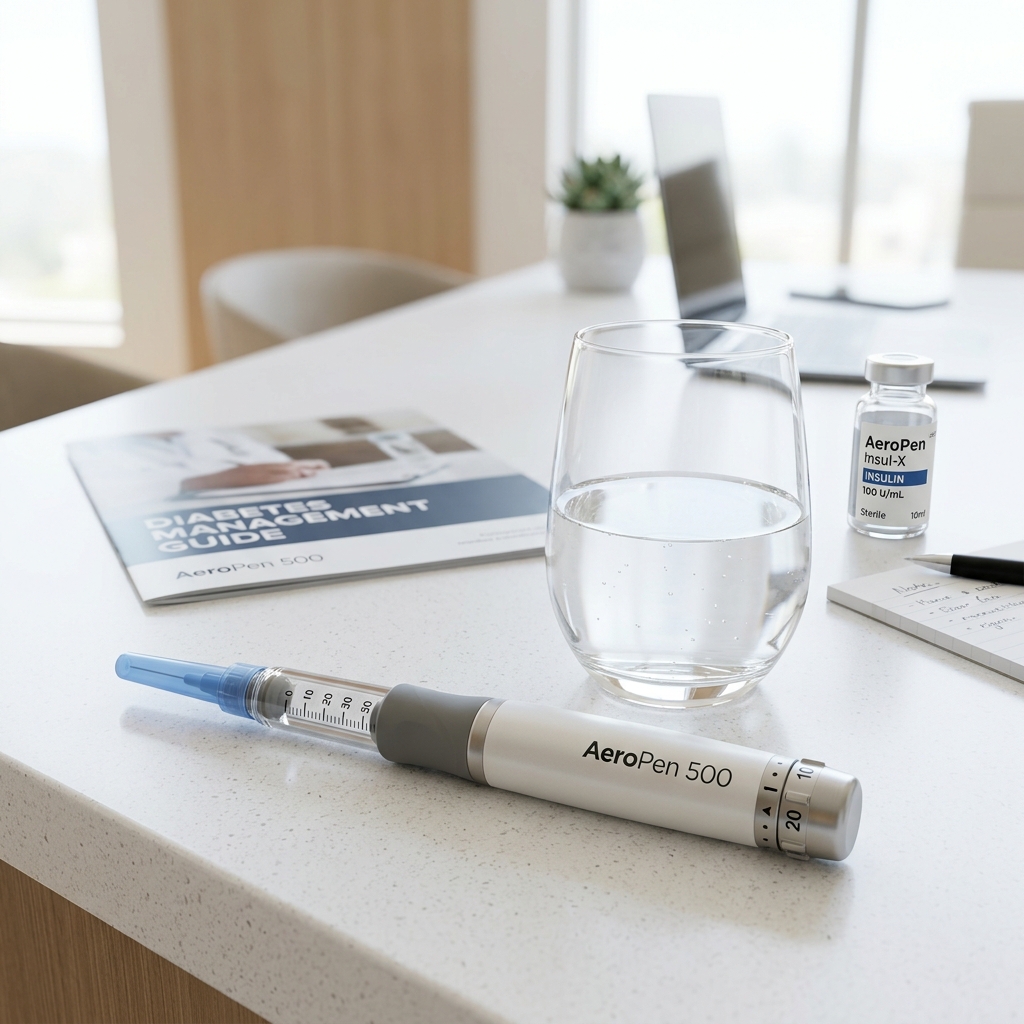

GLP-1 Medications: Injectable vs. Oral Formulations
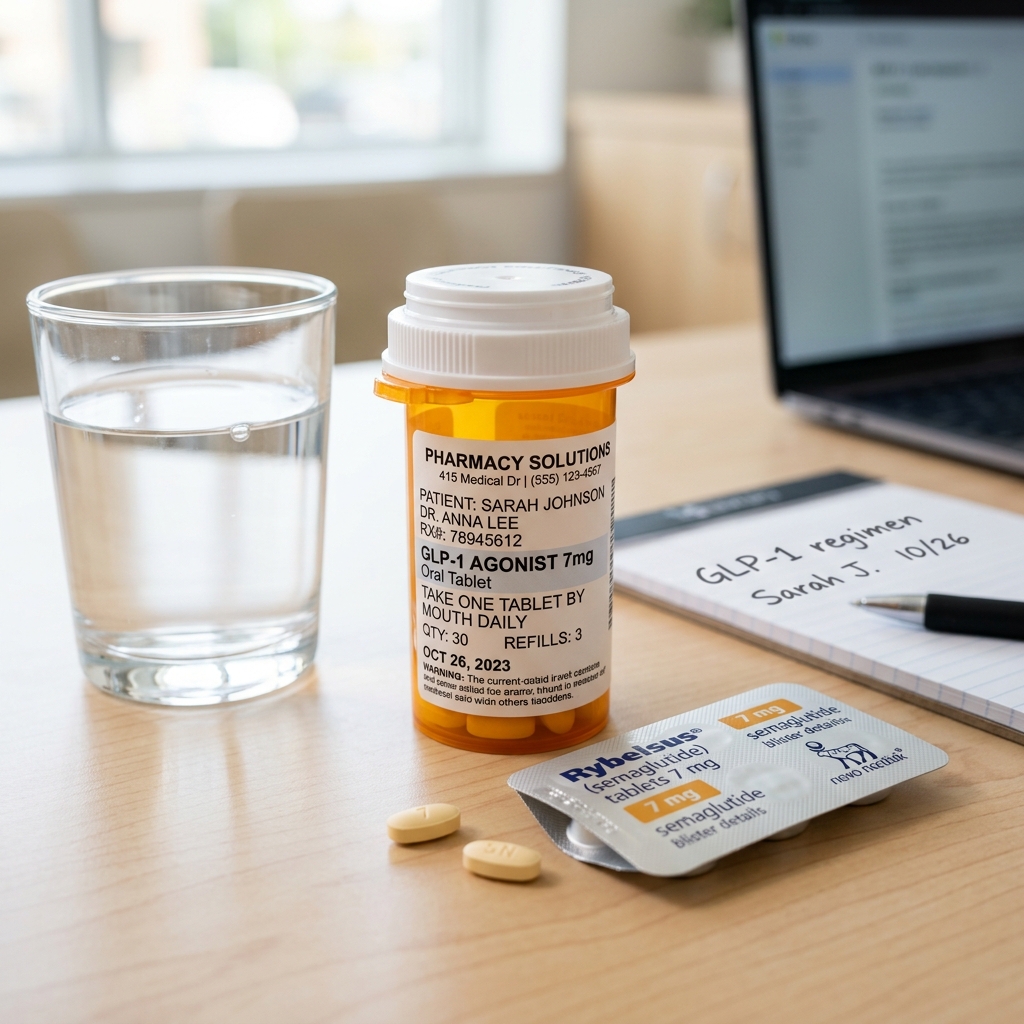
GLP-1 Medications are primarily administered via subcutaneous once-weekly injections, but oral formulations such as Rybelsus® (Semaglutide oral tablet) provide flexible alternatives for patients preferring non-injectable options.
Safety & Side Effects Management
Gastrointestinal symptoms represent the primary adverse events associated with GLP-1 Medications. These effects are typically mild-to-moderate and transient, peaking during early dose escalation intervals.
Most Common Side Effects
- Transient Nausea (20–40%)
- Mild Diarrhea or Constipation
- Early Satiety & Bloating
- Mild Acid Reflux
Mitigation Strategies
- Maintain high hydration
- Eat smaller, frequent meals
- Avoid high-fat fried foods
- Adhere to slow titration

Sourcing GLP-1 Medications Safely
Patients should obtain GLP-1 Medications exclusively through licensed medical healthcare providers and accredited state pharmacies. Verified sourcing ensures rigorous quality assurance, correct compound purity, and proper medical supervision.
Your GLP-1 Medications Journey & Sustainable Wellness
Embarking on a therapeutic regimen with GLP-1 Medications is a commitment to sustainable long-term health. Combining GLP-1 Medications with balanced nutrition, hydration, and regular physical activity yields the highest clinical success rates.
Nutritional Balance & Hydration
High-protein meals and proper hydration support muscle mass retention during weight management.

Active Movement & Fitness
Regular resistance exercise enhances cardiometabolic endurance alongside GLP-1 therapy.
Frequently Asked Questions (FAQ)
Common clinical inquiries regarding GLP-1 receptor agonist therapy.
What is the difference between single GLP-1 agonists and dual GIP/GLP-1 agonists?
Single agonists (e.g. Semaglutide) target the GLP-1 receptor exclusively. Dual agonists (e.g. Tirzepatide) activate both GIP and GLP-1 receptors, creating a synergistic effect that enhances glucoregulation, fat metabolism, and appetite suppression.
How long do patients typically stay on GLP-1 Medications?
GLP-1 Medications are clinically managed as long-term metabolic therapies. Clinical discontinuation studies indicate that without ongoing therapy or intensive lifestyle maintenance, weight rebound can occur.
Are GLP-1 Medications suitable for everyone?
No. GLP-1 Medications are contraindicated in patients with a personal or family history of Medullary Thyroid Carcinoma (MTC) or Multiple Endocrine Neoplasia syndrome type 2 (MEN 2). A thorough medical consultation is required prior to initiation.